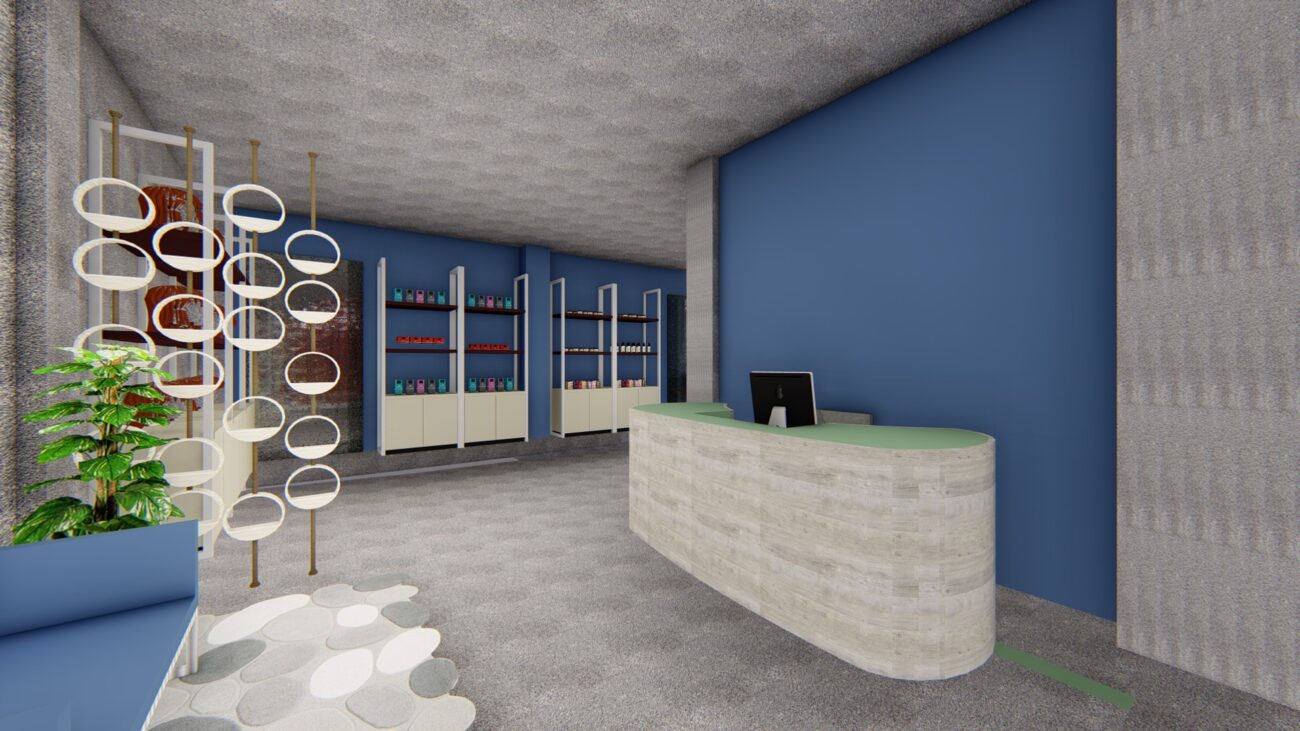
Career in Interior Design: Scope, Salary, Skills & Opportunities

Career in Interior Design: A Complete Guide

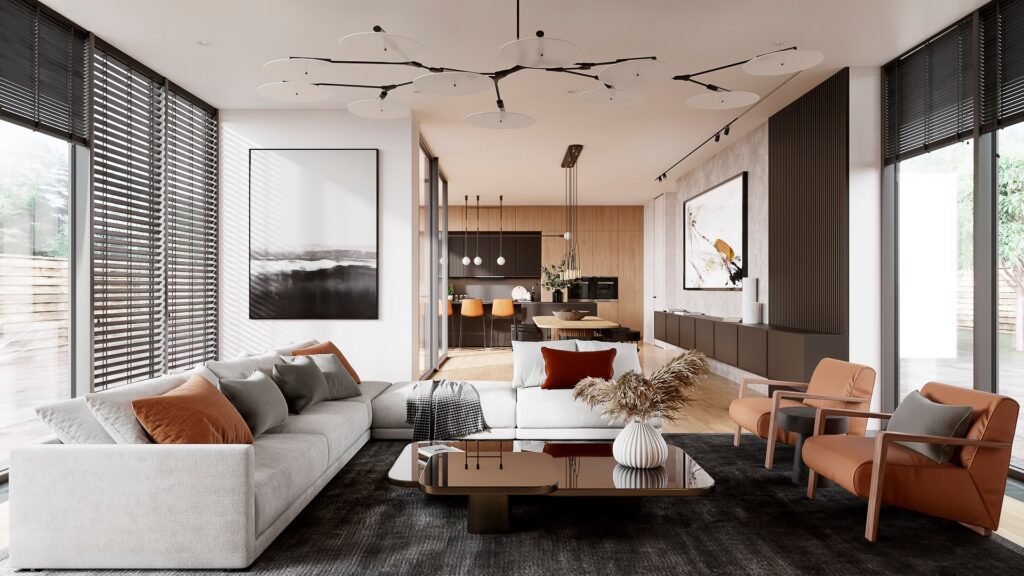
Interior design has become one of the most exciting and rewarding career choices for creative individuals. With rapid urbanization, growing real estate development, and increasing demand for aesthetically designed homes, offices, hotels, and commercial spaces, the need for skilled interior designers is higher than ever.

If you’re passionate about creativity, space planning, colors, furniture, and transforming ordinary spaces into functional and beautiful environments, a career in interior design could be the perfect choice. This guide explores the scope of interior design, career opportunities, required skills, salary, and future prospects in 2026.


What is Interior Design?

Interior design is the art and science of enhancing indoor spaces to make them functional, safe, comfortable, and visually appealing. Interior designers combine creativity with technical knowledge to create environments that meet the needs of clients while following building regulations and design principles.

Their work includes:

  • Space planning
  • Furniture selection
  • Lighting design
  • Color coordination
  • Material selection
  • 3D visualization
  • Project management
  • Client consultation

Why Choose Interior Design as a Career?

Interior design is much more than decorating a room. It offers an opportunity to build a fulfilling career where creativity meets technology and business.

Some key advantages include:

  • High demand across residential and commercial sectors
  • Attractive salary packages
  • Freelancing and entrepreneurship opportunities
  • Flexible work environment
  • Global career prospects
  • Continuous learning and innovation
  • Creative job satisfaction

As people increasingly invest in well-designed living and working spaces, the demand for qualified interior designers continues to grow.


Scope of Interior Design in India

The interior design industry in India has experienced significant growth due to:

  • Rapid urban development
  • Expansion of real estate projects
  • Smart city initiatives
  • Growth of luxury housing
  • Rising demand for modular kitchens and customized interiors
  • Increase in commercial office spaces
  • Growth in hospitality and retail sectors

Interior designers are needed across multiple industries, making it one of the fastest-growing creative professions.


Career Opportunities After Interior Design

Graduates can pursue various career paths, including:

Residential Interior Designer

Design modern homes, apartments, villas, and luxury residences.

Commercial Interior Designer

Create office spaces, retail stores, malls, and corporate interiors.

Hospitality Designer

Design hotels, resorts, restaurants, cafés, and entertainment spaces.

Retail Space Designer

Develop attractive shopping experiences through innovative store layouts.

Furniture Designer

Design customized furniture and interior accessories.

Exhibition Designer

Plan exhibition booths, trade show displays, and event spaces.

Lighting Designer

Specialize in architectural and decorative lighting solutions.

Kitchen and Bathroom Designer

Focus on highly functional and aesthetically pleasing spaces.

Set Designer

Work in film, television, theatre, and event production.

Freelance Interior Designer

Build an independent design consultancy and work directly with clients.


Skills Required to Become a Successful Interior Designer

A successful interior designer combines creativity with technical expertise.

Essential skills include:

  • Creative thinking
  • Drawing and sketching
  • Space planning
  • Color theory
  • Communication skills
  • Problem-solving
  • Attention to detail
  • Project management
  • Client handling
  • Budget planning
  • CAD software proficiency
  • 3D visualization skills

Knowledge of software such as AutoCAD, SketchUp, Revit, 3ds Max, V-Ray, and Photoshop can provide a significant career advantage.


Interior Designer Salary in India

Salary depends on education, experience, city, and specialization.

Freelancers and business owners can earn substantially more depending on their client base and project scale.


How to Become an Interior Designer After 12th

Students can begin their journey by following these steps:

  1. Complete Class 12 from any recognized board.
  2. Enroll in a Diploma, Bachelor’s, or Professional Interior Design course.
  3. Learn industry-standard design software.
  4. Build a strong portfolio.
  5. Complete internships with reputed firms.
  6. Gain practical experience through live projects.
  7. Stay updated with the latest design trends and technologies.

Future Scope of Interior Design

The future of interior design is bright. Emerging technologies and changing lifestyles are creating new opportunities in areas such as:

  • Sustainable interior design
  • Smart homes
  • Green buildings
  • Luxury interiors
  • Workspace design
  • Healthcare interiors
  • Hospitality design
  • Virtual and 3D interior visualization

Professionals with digital design skills and sustainable design knowledge will have excellent career prospects in the coming years.


Why Students Should Choose Interior Design in 2026

Interior design is one of the few careers that combines creativity, technology, business, and innovation. It offers excellent career growth, global opportunities, and the freedom to work independently or with leading design firms.

Whether your dream is to design luxury homes, commercial spaces, hotels, or launch your own design studio, interior design provides endless possibilities for professional success.


Conclusion

A career in interior design offers exciting opportunities for creative minds who enjoy transforming spaces into functional and inspiring environments. With increasing demand across residential, commercial, hospitality, and retail sectors, the profession promises excellent growth, competitive salaries, and entrepreneurial opportunities.

If you’re looking for a career that blends creativity with real-world impact, interior design is a rewarding path worth exploring.


Frequently Asked Questions (FAQs)

1. Is interior design a good career in India?
Yes. The growing real estate and construction industries continue to increase demand for skilled interior designers.

2. Can I become an interior designer after 12th?
Yes. Students from any stream can pursue interior design courses after completing Class 12.

3. What skills are required for interior design?
Creativity, communication, space planning, design software proficiency, project management, and problem-solving are essential.

4. What is the future scope of interior design?
The industry is expanding rapidly, with opportunities in residential, commercial, hospitality, sustainable, and smart interior design.

5. Can interior designers start their own business?
Absolutely. Many experienced designers establish successful independent design studios and consultancies.


As the demand for skilled interior designers continues to grow, choosing the right institute is one of the most important decisions for aspiring students. AICT Design Academy is committed to preparing future interior designers through industry-focused training, practical learning, experienced faculty, and exposure to real-world design projects, helping students build successful careers in the design industry.

Why Choose AICT Design Academy for Interior Design?

Selecting the right institute can make a significant difference in your career journey. AICT Design Academy offers an industry-oriented learning experience designed to help students develop both creative and technical skills required by today’s design professionals.

Key highlights include:

  • Industry-focused curriculum
  • Experienced faculty and mentors
  • Hands-on practical training
  • Live projects and portfolio development
  • Training in industry-standard software such as AutoCAD, SketchUp, and 3D visualization tools
  • Internship and career guidance support
  • Modern design studios and learning facilities
  • Placement assistance to help students launch their careers

Whether you aspire to work with leading interior design firms or establish your own design studio, AICT Design Academy equips you with the knowledge, skills, and confidence needed to succeed.

Start Your Interior Design Journey with AICT Design Academy

Interior design is a rewarding profession that combines creativity, innovation, and technical expertise. With the right education and practical exposure, you can build a successful career in this growing industry.

If you’re looking for professional training, expert mentorship, and career-focused education, AICT Design Academy can help you take the first step toward achieving your goals. Explore our Interior Design programs, connect with our admissions team, and begin your journey toward a creative and fulfilling career.

Skills You’ll Learn in an Interior Design Course and Why They Matter

With continued innovation that addresses our needs, design has become more than just aesthetics. It shapes how people live, work, and feel. The B.Voc. Interior Design programme helps students master a range of skills to design effectively.

Space Planning and Layout

Efficient use of space sits at the core of interior design. Students learn how to organise layouts that improve flow, functionality, and comfort while meeting client requirements.

Colour Theory and Material Selection

Understanding colour psychology and material combinations helps create the right mood. Learners develop the ability to balance tones, textures, and finishes for visually appealing yet practical interiors.

3D Visualisation and Rendering

Bringing ideas to life before execution is a crucial skill. Students learn 3D modelling and rendering techniques to present realistic visualisations that clients can easily understand. Many enrolling in an interior design certificate course find this skill especially valuable for building portfolios.

CAD and Technical Drawing

Accuracy is essential in design execution. Training in CAD software and technical drafting enables students to create precise plans, sections, and elevations used in professional projects.

Project Coordination and Site Understanding

Interior designers must manage timelines, budgets, and on-site challenges. Courses focus on coordination skills, ensuring designs are implemented smoothly from concept to completion.

Build Real-World Design Expertise with AICT Design Academy

Developing these hands-on skills can set the foundation for a successful design career. At AICT Design Academy, the B.Voc. Interior Design programme, along with diploma and certificate courses in interior design, covers CAD, 3D visualisation, space planning, and project execution.

Apply for our specialised training today to start shaping functional and inspiring spaces. Alternatively, you may contact us at +9194038 91325/+9198606 07127 to learn more.

Different Types of Interior Design Courses Explained

If you are exploring a career in interior design, understanding your study options is essential. A
B.Voc. in interior design programme is a popular choice for students seeking a balance between
practical skills and academic learning. However, depending on your goals, time availability, and
budget, certificate and diploma courses can also offer strong entry points into the industry.

Certificate Courses: Quick Skill Building

An interior design certificate course is ideal for beginners or working professionals looking to gain
foundational knowledge in a short time. These courses typically focus on basic design principles,
colour theory, and space planning, making them a flexible and cost-effective option.

Diploma Courses: Deeper Practical Knowledge

Diploma programmes provide more in-depth training, covering software tools, materials, and realworld projects. They usually span one to two years and prepare students for entry-level roles in
design firms.

Degree Courses: Comprehensive Career Preparation

A B.Voc or degree course offers extensive training, combining theory, practical exposure, and
industry insights. At AICT Design Academy, students benefit from expert mentorship, hands-on
projects, and career guidance tailored to industry demands.

Build Your Future with the Right Course

Whether you begin with a certificate or aim for a B.Voc. in interior design, AICT Design Academy
offers structured programmes to match your ambitions. Explore our courses to find the right fit,
and start shaping your creative career today!

Feel free to contact us on +9194038 91325/+9198606 07127 to learn more.

Study Routine for JEE Main B. Arch Aspirants: Tips to Help You

Preparing for JEE Main B.Arch while managing Class 11–12 academics can feel overwhelming.
With the right study routine, however, students can balance board exam preparation and entrance
coaching effectively without burnout.

Plan a Smart Daily Schedule

Divide your day into focused study blocks. Allocate 2–3 hours for school subjects such as Physics,
Chemistry, and Mathematics, and 1–2 hours for drawing aptitude and design awareness. Early
mornings are ideal for numerical practice, while evenings are best for sketching and creative
exercises. Remember, consistency matters more than long, irregular study hours.

Weekly Strategy for Entrance Readiness

Practising the JEE Main B. Arch question paper helps you understand exam patterns, improve speed, and identify weak areas.
Balance this with board syllabus revision to stay exam-ready on both fronts.

Time Management and Expert Guidance

Create a realistic timetable, include short breaks, and review progress weekly. Professional
mentoring can simplify this journey. Structured coaching, portfolio guidance, and mock tests
offered by reputed institutes ensure focused preparation without compromising school
performance.

Shape Your Architecture Dream with AICT Design

Balancing boards and JEE Main B. Arch preparation becomes easier with expert support. At AICT
Design, students receive specialised coaching, exam-oriented strategies, and personalised
guidance to excel in both school and entrance exams. Contact us today at +9194038
91325/+9198606 07127 to strengthen your architectural future with the right mentorship.

JEE Main B. Arch vs NATA: What’s the Difference and Which Should Students Choose?

Architecture aspirants in India often find themselves weighing two major entrance routes before beginning their academic journey. JEE Main B. Arch and NATA are both widely recognised, yet they serve different institutional pathways and evaluate students in distinct ways. Here are their key differences:

Purpose and Conducting Bodies

JEE Main B. Arch is conducted by the National Testing Agency (NTA) primarily for admission to architecture programmes in SPAS, NITs, IIITs, and other centrally funded institutions. NATA, on the other hand, is organised by the Council of Architecture and is widely accepted by private and state architecture colleges across India.

Eligibility and Exam Pattern

JEE Main B. Arch requires students to have studied Physics, Chemistry, and Mathematics in Class 12. The exam tests Mathematics, Aptitude, and Drawing skills.

NATA has a more flexible eligibility structure, focusing on Aptitude, Drawing, and basic Mathematics, making it accessible to a broader group of students.

Acceptance and Career Implications

JEE Main B. Arch offers access to premier government institutes with competitive cut-offs, while NATA provides a wider range of college options and greater flexibility. Both lead to the same architecture degree and similar career paths in architecture, urban design, and planning.

Build Your Architecture Journey with the Right Guidance

At AICT Design Academy, students receive expert guidance for both JEE Main B. Arch and NATA through structured mentoring, design-focused training, and exam-oriented practice. With experienced faculty and a strong track record, we help aspirants confidently choose and prepare for the exam that best suits their ambitions in architecture.

Contact us today to learn more.

Architecture Entrance Exam Coaching in Pune

Overcoming Common Challenges Students Face During NATA Preparation

NATA preparation can feel overwhelming, especially when you are juggling school, boards, and creative practice. The good news? Most obstacles are common, predictable, and completely manageable with the right plan.

1. Time Management

Create a weekly timetable with short yet focused study slots for sketching, aptitude, maths, and revision. Keep one buffer day for pending tasks. Use a 25–30-minute timer method and track daily targets instead of counting only hours.

2. Difficulty in Mastering Sketching and Drawing Skills

Build a simple daily routine: 20–30 minutes of sketching objects at home, street scenes, and human figures. Practise proportions, perspective, and light-shadow regularly. Review your sketches weekly to identify areas for improvement and accelerate progress.

3. Struggling with the Reasoning and Mathematics Sections

For reasoning, solve previous years’ papers and aptitude worksheets to learn common question patterns. For maths, focus on key concepts like mensuration, ratios, angles, and basic algebra, then practise small sets daily to improve speed and accuracy.

4. Balancing NATA Prep with School Exams

Plan in a dual-track way: keep lighter sketch practice during exam-heavy school weeks, and reserve weekends for mock tests and revision.

5. Maintaining Focus and Motivation Throughout the Preparation
Period

Avoid burnout by taking regular short breaks, getting enough sleep, and dedicating one hobby slot to a weekly activity. Track small wins to build confidence and stay consistent

Achieve a Strong Finish for NATA Aspirants with AICT Design Academy

With the right guidance, scoring higher in NATA becomes achievable. AICT Design Academy supports aspirants with curated practice, expert feedback, and smart study planning so you can sharpen sketching, boost aptitude, and walk into the exam with confidence. Contact us to learn more.


Architecture Entrance Exam Coaching in Pune

How NATA Coaching Helps Students Build Exam-Oriented Design Thinking Skills

How NATA Coaching Helps Students Build Exam-Oriented Design Thinking Skills

Preparing for the National Aptitude Test in Architecture (NATA) requires more than creativity alone. The exam tests drawing skills, visual reasoning, spatial ability, logical thinking, and time management – all within a structured, time-bound format. This is why enrolling in professional NATA coaching is essential for students aiming to secure top scores.

Well-designed NATA classes help students develop exam-focused design thinking while ensuring complete alignment with the latest NATA exam pattern and evaluation criteria.

Design Thinking in the NATA Exam

In the NATA exam, design thinking is assessed through drawing questions and aptitude-based sections, where students must demonstrate:

  • Concept clarity
  • Proportion and composition
  • Spatial visualization
  • Logical and analytical reasoning

Unlike general design learning, NATA coaching trains students to apply creativity within exam constraints, helping them understand exactly what examiners expect and how marks are awarded.

How NATA Coaching Improves Exam Performance

Structured NATA coaching classes provide a focused and result-oriented preparation approach. Students receive guidance to:

  • Understand the NATA syllabus and exam pattern in detail
  • Practice drawing questions as per NATA standards
  • Improve visual reasoning and spatial ability
  • Build speed and accuracy through time-bound practice
  • Develop confidence through continuous evaluation

Expert faculty ensure that every concept and exercise directly contributes to better NATA performance, not just general design exposure.

Key Benefits of Joining Professional NATA Classes

A comprehensive NATA coaching programme includes:

  • Drawing preparation: 2-D & 3-D Compositions, Logo Designing, Memory Drawing, imagination-based questions, proportion & scale as per NATA requirements
  • Aptitude and reasoning training: Visual perception, analytical thinking, and spatial ability practice
  • Regular mock tests: NATA-pattern mock exams to simulate real test conditions
  • Performance analysis: Detailed feedback to identify strengths and areas for improvement
  • Time management training: Helping students perform efficiently under exam pressure

These structured NATA classes ensure consistent progress and exam readiness.

Personalized NATA Coaching for Better Results

Every aspirant learns differently. Specialized NATA coaching offers personalized attention, one-on-one feedback, and targeted practice sessions. This tailored approach helps students overcome weaknesses, sharpen strengths, and maximize their NATA score.

Join AICT Design Academy for Result-Oriented NATA Coaching

AICT Design Academy, offers expert-led NATA coaching designed specifically for entrance exam success. The programme focuses on:

  • Complete NATA exam pattern understanding
  • Drawing preparation as per NATA evaluation standards
  • Aptitude, visual reasoning, and spatial ability training
  • Regular NATA mock tests with analysis
  • Experienced faculty and proven preparation methods

If you are looking for focused NATA coaching that delivers results, AICT Design Academy provides the right guidance, structure, and support to help you succeed.

👉 Enroll in our NATA classes today and take the first step toward cracking the NATA exam with confidence.
📞 Contact AICT Design Academy now to know more about batches, schedules, and admissions.